Category: Music

  • Upside Down

    Upside Down

    It started with the image of someone digging holes without even realizing it. Still working. Still moving. Still holding the shovel. Not because they want to, but because they no longer know how to stop.

    That first verse really became the emotional centre of the song for me:

    “It’s hard to see what’s under your feet when you never look down.”

    I think a lot of people live like that sometimes. We bury things. Push them deeper. Keep ourselves distracted. Keep moving. Keep functioning. Hoping the hurt stays covered over long enough that we do not have to face it properly.

    But buried things do not disappear.

    The song moves through isolation, memory, regret, identity, and the strange feeling of becoming disconnected from yourself over time. There is a loneliness running through it, but not necessarily dramatic loneliness. More the quiet kind. The kind that slowly settles into everyday life.

    Verse two is probably the most personal emotionally. Two people crossing paths briefly, but at the wrong time, in the wrong state, or on the wrong side of themselves. That feeling of being seen only partially. Judged by history, mistakes, exhaustion, or the shadow version of who you really are.

    Sometimes people meet us during survival mode instead of during our best moments.

    And sometimes they leave before we figure out how to explain ourselves.

    The recurring chorus — “And my world turned upside down” — is intentionally repetitive and almost hypnotic. I wanted it to feel less like a dramatic event and more like a realization slowly echoing through somebody’s head. The moment where they finally understand how much has shifted beneath them.

    By the third and fourth verses, the song becomes more about drifting. Routine. Fatigue. Aging. Losing certainty. Riding the same train, seeing the same stops, trying to hold onto dignity while life slowly becomes repetitive and emotionally blurred.

    There is also a little dark humour hidden in the final verse:

    “A careless rhyme to pass the time, still playing this silly game.”

    That line matters to me because it acknowledges the absurdity of trying to explain complicated emotions through songs in the first place. Writing can feel meaningful one moment and completely pointless the next. But we keep doing it anyway.

    I do not think “Upside Down” is really about hopelessness.

    I think it is about recognition.

    The moment you stop pretending you are fine long enough to finally look down and see the holes you have been digging all along.
  • Summer Storms

    Summer Storms

    There has always been something strangely comforting about summer storms.

    Not the dangerous kind. Not the destructive kind. I mean the big rolling afternoon storms that seem to swallow the horizon whole before finally breaking open over old rooftops and hot bitumen roads. The kind where the air changes first. The light changes. Everything goes quiet for a moment, like the world is holding its breath.

    That feeling has stayed with me since I was a kid.

    “Summer Storms” came from those memories of sitting on a verandah or near an open window watching dark clouds slowly take control of the sky. Screen doors rattling. Windows shaking in their frames. Dogs pacing around the house before the rain arrives. That strange green-grey colour the world turns just before the storm finally breaks.

    I wanted the song to feel physical and familiar. Not polished or poetic for the sake of it. More like memories stitched together.

    The storm in the song is not really a threat. It is almost a visitor. An old friend arriving unexpectedly. Something exciting that wakes up that part of you that still feels like a child when thunder rolls across the sky.

    A lot of the imagery came from very ordinary Australian suburban moments. Tin roofs roaring under heavy rain. Gutters overflowing. Puddles gathering in potholes. Streets shimmering afterwards beneath orange streetlights. The smell that hangs in the air after everything cools down.

    At its core, the song is really about escape.

    There is something calming about sitting inside during a storm while chaos moves around you. For a little while, normal life stops. The noise disappears. Deadlines, stress, pressure, all of it fades into the background. You just sit there listening to the rain and thunder and watching the sky tear itself apart.

    And somehow you feel safe in the middle of it.

    That is what the final verse is about for me. The sadness when the storm finally moves on and silence returns. That strange disappointment when something beautiful passes too quickly.

    Some people hate storms.

    I have always loved them.

  • I Remember You

    I Remember You

    I Remember You is a song about the quiet connections we sometimes never realize we’ve made. At school, or in life, it’s easy to feel invisible, like no one notices you. But the truth is, someone might have been watching, remembering, and carrying that moment with them for years. The first version of this song was much sadder. Over time it changed into something else: a reminder that even if something is lost, it can still be a gift that it happened at all. Not every story has to end with regret. Sometimes the real victory is simply that it meant something.

  • Dorian Gray (2020)

    Dorian Gray (2020)

    This is an alternate version of Dorian Gray.

    Dorian Gray is a dark, reflective song about illusion, identity, and the moment a carefully built facade finally collapses. Inspired by the idea of living behind a mask, the track follows the breakdown of a fake world and the painful clarity that comes with letting it burn. Quiet, honest, and emotionally grounded, this is a song about facing the truth when there is nowhere left to hide.

  • Dorian Gray

    Dorian Gray

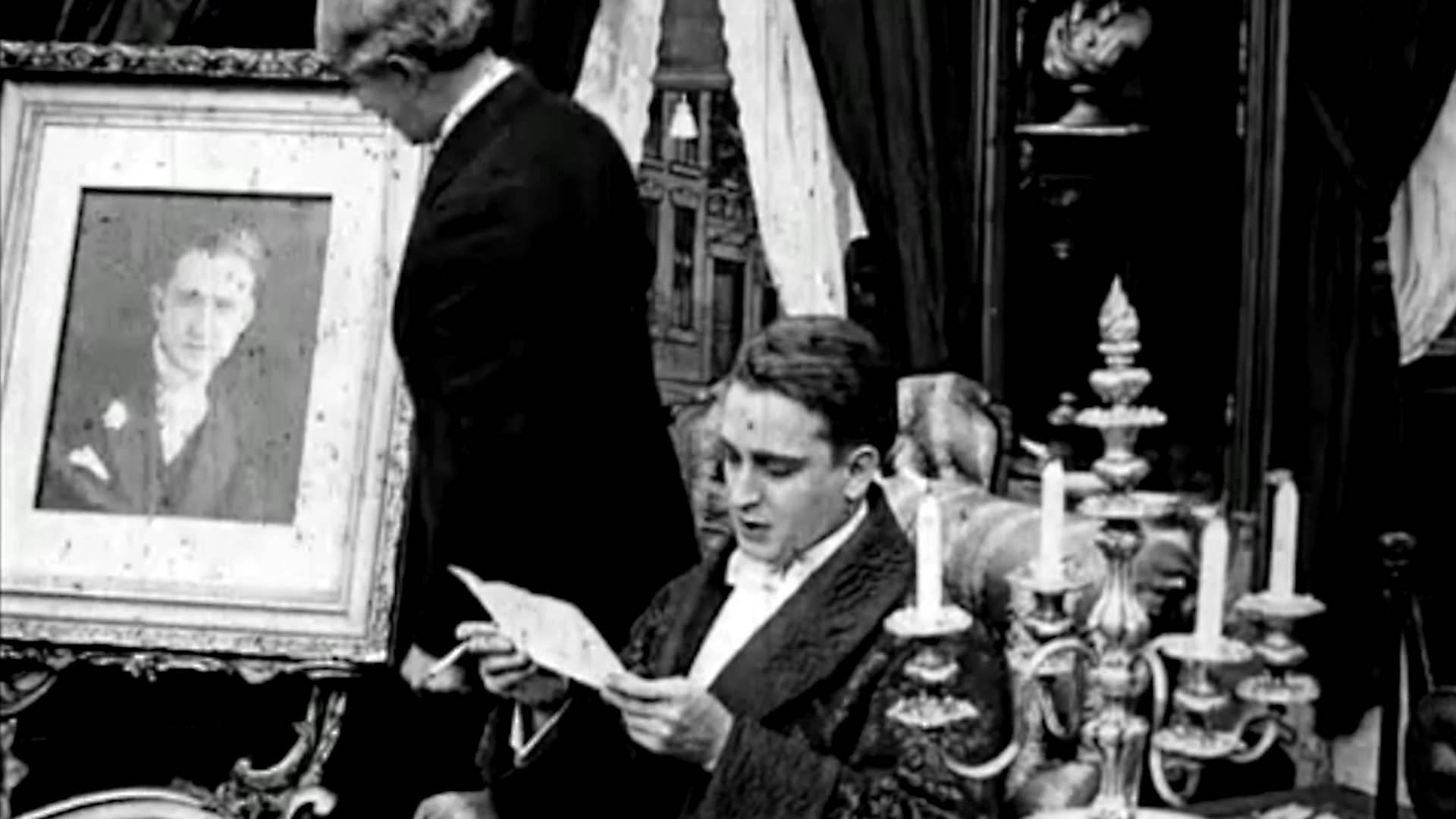
    There is a moment when the version of yourself you have been protecting finally gives way. The story you built, the mask you refined, the world you curated to survive. Dorian Gray by Nine Lives Lost lives inside that moment.

    Inspired by the idea of a life split in two, the song explores what happens when appearance is allowed to outrun truth. It is not about vanity alone. It is about compromise, avoidance, and the quiet deals we make with ourselves in order to keep moving. The verses circle a familiar tension. Knowing something is wrong, choosing to live with it anyway.

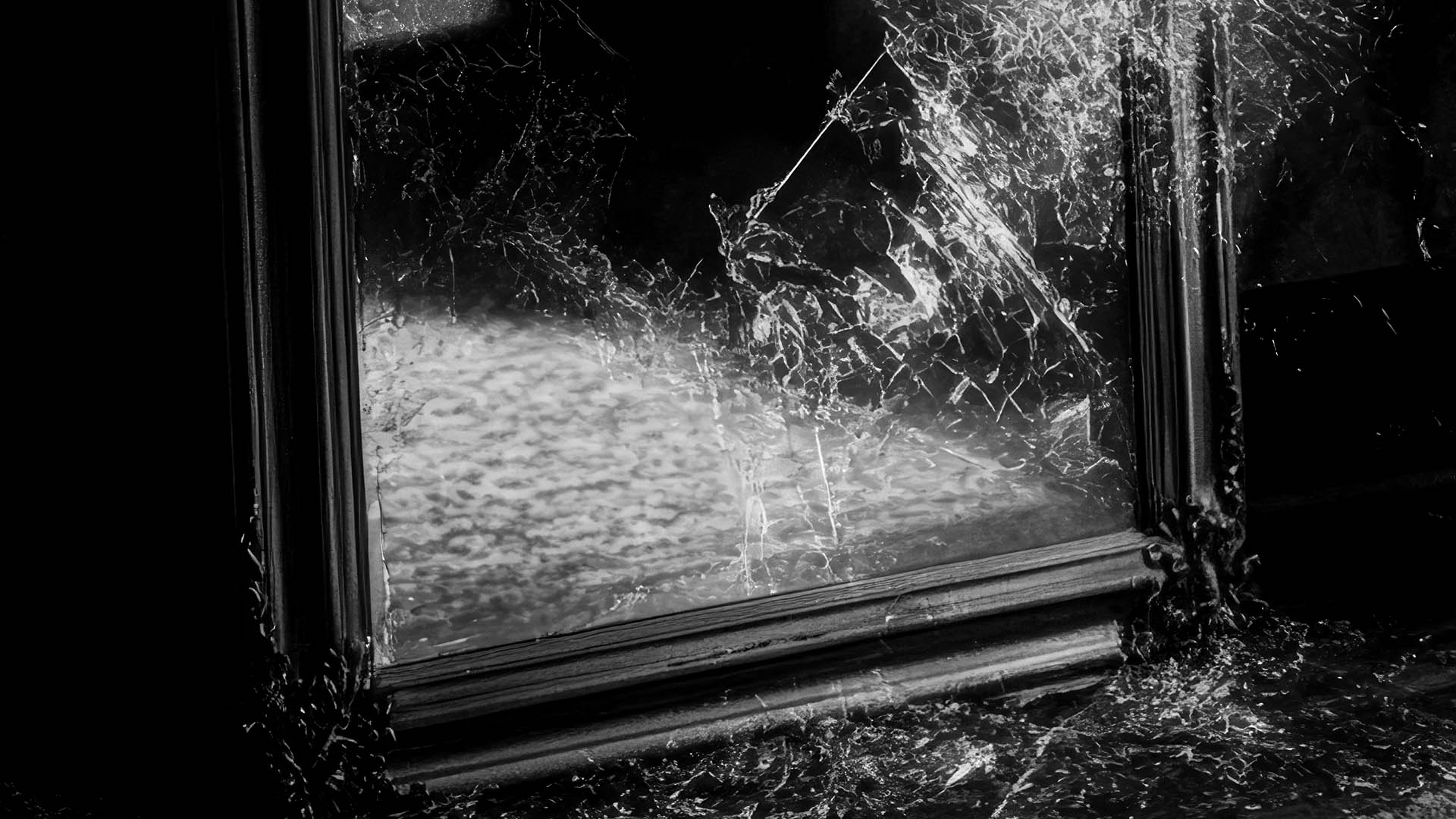
    The imagery is deliberate and physical. Shattered glass. Crawling. A world collapsing inward rather than exploding outward. The song does not rush to redemption. Instead, it lingers in the discomfort of recognition. That point where denial stops working and the cost of maintaining the illusion becomes impossible to ignore.

    Musically, Dorian Gray is restrained and patient. Space matters. The arrangement allows the lyric to carry weight, mirroring the emotional arc of the song. When the turning point arrives, it is not triumphant. It is necessary. The fake world comes crashing down, and there is no attempt to save it.

    At its core, the song is about identity and ownership. Who we pretend to be. Who we really are. And what happens when the distance between those two things becomes too wide to manage. There is loss in that collapse, but there is also clarity. Sometimes letting it burn is the only way out.

    Dorian Gray sits comfortably within the Nine Lives Lost catalogue. Dark, reflective, and grounded in story rather than statement. It asks a simple question and refuses to soften the answer.

  • Grenfell

    Grenfell

    This song was written with care, restraint, and a clear sense of responsibility. It does not attempt to recreate the Grenfell Tower fire, nor does it try to speak for those who lived through it. Instead, it stands at a distance, looking at the decisions, systems, and silences that allowed it to happen.

    Grenfell Tower was not an abstract failure. It was a place where people lived, raised families, cooked dinner, and went to sleep. The opening verses acknowledge that reality. A building that had aged, fallen out of favour, and was later altered to satisfy appearances rather than safety. The language is plain and observational, because anything more dramatic would feel dishonest. The facts are already devastating.

    As the song moves forward, it narrows its focus. A small fire. A sense of calm. Reassurance. The lyrics deliberately reflect the false confidence that surrounded the early hours of the disaster. The idea that everything was under control. That help was coming. That staying put was the safest option. These were not fictional ideas. They were instructions given in good faith, based on systems that were believed to work.

    The chorus shifts the song from observation to accountability. It does not accuse individuals inside the building or on the ground. It questions the priorities that led to known risks being accepted, warnings being ignored, and cost savings being valued over human lives. The repeated line about saving money but paying the price is not rhetorical. It is literal.

    Later verses widen the lens again. The crowds watching from below. The sirens that fade. The prolonged media coverage. The language becomes colder, more procedural, mirroring the way responsibility was slowly diluted across committees, departments, and corporate structures. Decisions were made, assessed, approved, and signed off long before the fire. By the time it happened, those decisions were invisible to the people most affected by them.

    This song does not pretend that the story ended when the flames were extinguished. It acknowledges the aftermath. The deflection. The careful wording. The absence of meaningful accountability. The way silence became easier than truth. These sections are intentionally uncomfortable. They are meant to be.

    The final lines return to stillness. They do not name names or recreate images. They simply recognise the lives lost and the quiet that followed. Silence is not presented as neutral. It is shown as something that can build structures, enable harm, and allow history to repeat itself if left unchallenged.

    This song exists to remember, to question, and to refuse indifference. It was written with respect for the victims, their families, and their community. It does not claim to offer answers. It only insists that the questions should never have been necessary in the first place.

  • Comfortable Con

    Comfortable Con

    There’s a quiet danger that comes with comfort. It slips in through the cracks of routine, hides behind well-crafted stories, and convinces us that ease equals truth. “Comfortable Con” is a song about that danger, about how society trades awareness for convenience, conscience for calm, and individuality for the illusion of safety.

    The verses reflect the slow erosion of critical thought, where we accept pre-packaged answers instead of asking questions. We believe what we are told because it’s easier than confronting what we might find if we look deeper. Each line builds on the idea that complacency is seductive, and the systems that benefit from our blindness thrive because of it.

    The chorus turns the mirror toward modern life. It’s a world where manipulation masquerades as protection, where division is branded as unity, and where people are sold dreams designed to keep them quiet. We scroll, consume, and repeat, all while convincing ourselves we’re in control. But underneath the surface, power and profit shape the narrative.

    Later verses shift from observation to defiance. They call for something more honest, a world not built on deceit, a faith not measured in dollars. The final images of escape and rebellion capture that breaking point, when silence becomes unbearable and it’s better to drive blind into the unknown than stay chained to the familiar lie.

    “Comfortable Con” is not just a protest song. It’s a reflection of the modern condition, part confession, part wake-up call. It’s an anthem for those who still feel that something is wrong, even when everything looks perfectly normal.

  • Dance With Me

    Dance With Me

    There are songs that tell a story, and then there are songs that feel like they are telling your own. “Will You Dance With Me” is one of those rare pieces that feels deeply personal even on the first listen. It is about a couple who have spent decades together, building a home, a life, and a world of shared memories. As age and illness creep in, their love becomes both a lifeline and an anchor, expressed in the simplest question: Will you dance with me, can I dance with you?

    The verses move like snapshots of an old photo album. We see him at a chessboard, pieces scattered, fighting battles he cannot win. We see her in the kitchen, humming wistfully, watching the man she loves drift further away into fog and haze. We hear their hearts breaking but also holding on, as time and memory begin to fray. Yet each chorus is a moment of clarity and devotion, a reminder that even when everything else fades, love remains.

    This song captures both beauty and ache. There is fragility in the imagery: skin as paper thin, eyes behind broken glass, time carving scars as it passes. But there is also resilience, a fierce and quiet hope. When he recognises her in a flash of lucidity, they are teenagers again. When she whispers prayers, she still hopes for one more day. When he asks her to dance, it becomes both a plea and a promise.

    The bridge and outro give the song its final lift. The lines “Let’s dance together, hold each other tight… Even when the music stops, I hear the melody” show how love transcends even the ending of a life. The music may stop, but the melody, like the memory, lives on. This is not just a love song. It is a portrait of two people holding on to their humanity, their dignity, and each other in the face of inevitable loss.

    “Will You Dance With Me” is a song for anyone who has loved deeply, for anyone who has watched someone fade but still reached out for their hand. It is a reminder that the small moments—one more dance, one more sunrise, one more whispered prayer—are where our lives are truly lived.

  • Save Me

    Save Me

    This song started life a very long time ago as nothing more than an instrumental sketch. Even without words, it carried a desperate edge, the kind of tension that sat unresolved in the chords. For years, it sat unfinished — until I revisited it with a different vision.

    I decided to push it harder. I layered in heavy guitars, let the strings flood the background, and brought in an AI bandto give it a modern punch. What was once a quiet instrumental suddenly became this wide, cinematic cry for help.

    Lyrically, Save Me is the simplest song I’ve written. It’s built on repetition — three verses, each with a few pleading questions, circling back again and again to the same line: “Can you save me?” That’s it. No elaborate storytelling, no complex verses. Just the same desperate call, echoing against the music.

    And maybe that’s the point — when you’re at your lowest, there often aren’t a thousand words. There’s just one. One question. One plea.

    This track feels both new and old to me: rooted in something I wrote long ago, but reborn into something bigger, darker, and more alive.

  • 9am

    9am

    This song started as a normal morning with bad weather and too much thinking. It walks through a single day after a breakup: 5am, 9am, 5pm, 10pm. You make coffee, you check a photo you should probably hide, you do the dishes, you tell yourself you are fine, then you miss them a little. Nothing dramatic, just real life.

    The chorus is the centre of it: you don’t own me, I don’t owe you. It is not angry, it is just clear. No scorecards, no big speeches, no one to punish. Sometimes things end and you try to leave each other with some dignity.

    I like that the verses stay small. Rain, clocks, the gate, the sink. That is how most days feel after a split. You get on with it, then it taps you on the shoulder now and then. The song keeps circling back to that line, which is pretty much how the day works too.

    Musically it keeps a steady pace. Vocal up close, nothing rushed. The hook lands each time the time of day flips over. You feel the loop, then you move on to the next bit of the day.

  • Because Of You

    Because Of You

    Because Of You is a gratitude note to a relationship that did not last and still mattered. I wrote it with the belief that the things you love about someone at the start are real, and they do not disappear just because the story changes. The song sits in that space where you can miss a person and still be thankful for what they gave you. It is not about pretending the ending did not hurt. It is about noticing how love can shape you in ways that stay.

    The verses remember simple things first: seeing each other every day, the surprise of finding help when you were at your worst, the feeling of light pushing back the dark. There is a tenderness in admitting how well we once fit, even while admitting we drifted apart. The chorus says the quiet truth out loud. I am a better man today, and it is because of you. That line is the spine of the song.

    There is longing here too. Wishing you could turn back time. Counting minutes and hoping the door opens again. Owning the choices that cannot be undone. Those moments are honest, and they belong in the same frame as the gratitude. The point is not to erase the past or hold on forever. The point is to carry the best parts forward.

    Over time I have learned that a good relationship teaches you things you do not unlearn. Patience. Kindness. How to listen. How to show up. Even after goodbye, those lessons keep working on you. Because Of You is my way of saying thank you for that. Thank you for the light when I needed it. Thank you for the parts of me that grew while we were together. I will keep those as I move through the rest of my life. Thank you for making me a better person.

  • Bored Saturday

    Bored Saturday

    I recorded this on a quiet afternoon with nothing in mind except passing time. I sat down, pressed record, and added one part after another—no chart, no click, no plan. It was just something to do on a slow Saturday, and that looseness is baked into the track.

    It’s as rough as they come. Levels drift, timing wobbles, and a few notes barely stick the landing. That’s why I like it. There was no pressure to impress anyone; it simply caught a mood and left it there. Certain little phrases still pull me right back to that room, which is probably why it survived when so many other sketches disappeared.

    The whole thing came together by feel. One continuous take grew as each layer suggested the next. I kept the imperfections because they tell the story better than a polished version ever could.

    Not every piece needs a grand reason to exist. Sometimes music is just a record of how you felt on an ordinary day. Bored Saturday is exactly that: a simple instrumental that turned a slow afternoon into something I can still hear and remember.

  • What You Want To Be

    What You Want To Be

    I wrote this one on a lonely night when Cassidy was just a very young girl. I was thinking about how every kid gets asked the same question: what do you want to be. The verses turn that question into a game, running through jobs from pilot to beekeeper, dancer to mechanic, architect to activist. It is not a checklist. It is a way of saying that all doors are welcome.

    It was important at the time for her that despite the fact her mum and I had separated, that she was still the most important thing to me, no matter where I ended up. That is why it was important feature her name in the song. The rest of the song is quickly paced, a reflection of how quickly time passes, and the opportunities that were in front of her.

    The chorus is the heart of the song. Whatever it is you choose to do. Wherever life takes you. It will not change how proud I am or how quickly I will show up when you call. That is the whole point. The job title can change a hundred times. The love does not.

    You can hear the lullaby in it. Simple chords, bright images, a steady pulse that feels like a hand on a shoulder. I wanted it to feel light and encouraging, the kind of tune you can hum while packing a lunch, driving to school, or walking home after a hard day.

    Fifteen years later, the promise has been tested and it has held. Plans have shifted, new interests have appeared, and real life has done what real life does. Through all of it, I have stayed exactly where the song says I would be: in her corner, proud as a dad can be.

  • I Don’t Know (2020)

    I Don’t Know (2020)

    This is the version we recorded before bringing in AI production and AI vocals. The song sits in that no-win space where you are too tired to stay and too tangled to leave. The chorus keeps asking the same question because real life often does. What happened to us, and what am I supposed to do now.

    You will hear the draft all over it. Lines move mid take. Some phrases repeat while we search for the right shape. The vocal is a scratch pass that lets the feeling lead the melody, not the other way around. It is imperfect on purpose.

    The story is simple. Two people locked in a loop. Fights that blur together. A long road that drains the will to keep walking. The narrator keeps reaching out, then pulls back. That push and pull lives in the arrangement too, even in this early state.

    Why include a rough version like this. Because it shows our process. We use AI to test keys, tempo, harmony, and tone. We give it a track like this and ask it to help us clean the rhythm, balance the dynamics, and carry a vocal that our home setup cannot. The result is not a shortcut. It is a better sketch to hand to real players later.

    What to listen for:

    • The opening verse sets the weight and the breathless feel.
    • Each chorus swaps a single word in the last line to match the moment.
    • The bridge admits the truth. I want to stay, but I cannot go on this way.
    • The final verses step out onto open road. Fear is still there, but so is freedom.

    Later versions tightened the lyric, clarified the rhyme, and gave the chorus a stronger lift. This 2020 cut keeps the raw edges so you can hear where it started and why we asked AI to help us finish the idea.

    If the theme hits you, tell us how you would arrange it. Different tempo. Different groove. Different harmony. We are always keen to hear new takes that help us turn a rough concept into the best version of itself.

  • Choices Made

    Choices Made

    Every road we walk is paved with decisions. Choices Made tells that story in plain language and clear images. It moves from the first sting of regret to the quieter work of owning what happened and learning to stand back up.

    The verses look straight at the fallout. Distance, pride, and fear widen the gap. There is no scapegoat here. The narrator says it out loud: I only have myself to blame. We feel the late nights, the counting of cost, and the empty space where someone used to be.

    The chorus is a recurring heartbeat. We could have been so great. It is not bragging. It is grief for a life that almost was. Those lines hold the memories that never got made, the mornings that never started together, the fears that could have been faced side by side.

    There is a turn in the final stretch. Dreams give way to daylight. Reality finds you where you lay, and still you get up. Acceptance arrives, not as surrender, but as a new kind of clarity. You cannot rewrite yesterday, but you can own it and choose what comes next. The bridge honors the truth that both people tried, and that losing each other still hurts.

    Musically and lyrically, Choices Made is built for honesty. No clever distractions, just a steady pulse and words that say what they mean. If you have ever stood at a fork in the road wondering how you got there, this song is for you. May it help you forgive the past, take the lesson, and make the next choice with a little more light.

  • To Be Happy

    To Be Happy

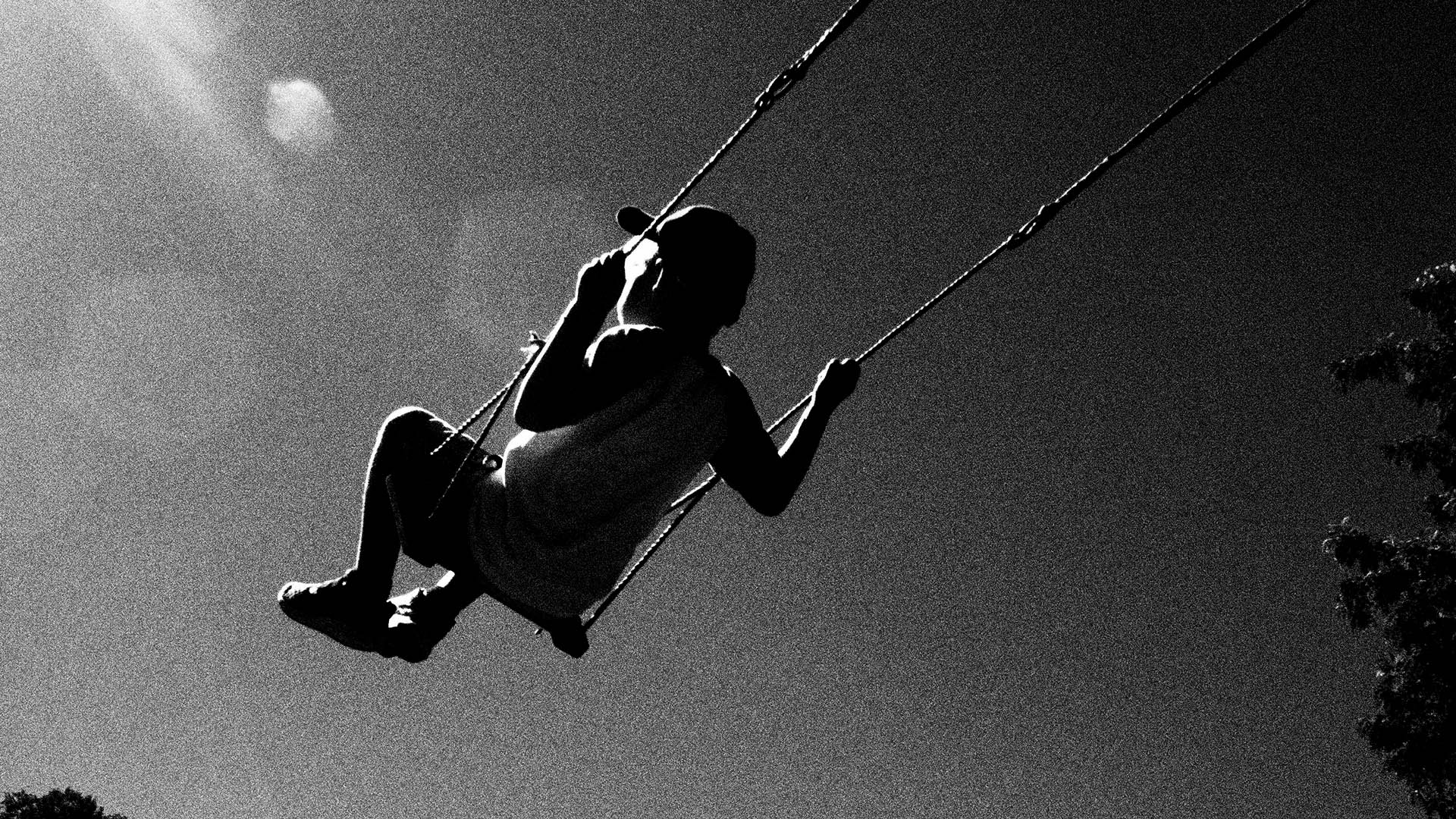
    We spend years trying to be happy without agreeing on what happy means. To Be Happy follows small scenes from a swing set to bright lights to late trains, and shows how the goal keeps moving as life gets louder.

    The chorus calls it out. People will tell you how to be happy. They repeat tidy stories that sound true, even when they are guessing. We learn to hide our pain and call it balance. We keep going because stopping feels risky.

    Near the end, the song turns. Let the past fade. Forgive the mistakes. Drop the act. Maybe happiness is not a prize but a handful of ordinary moments you are allowed to keep.

    If this track finds you mid-search, define the word for yourself. Keep what rings true. Leave the rest. And if a line sticks with you, tell me which one and why.

  • Sister

    Sister

    Every songwriter has a few songs they never expected to survive the test of time. Sister is one of mine. I wrote it years ago as a birthday gift for my sister. It wasn’t crafted to be polished or profound, but to capture the joy, laughter, and memories that surround her life. In many ways, it’s the kind of song that should have stayed tucked away as a family keepsake, but even now, it still means something to me.

    The song weaves through childhood memories, from running wild in the park to not-so-successful driving lessons that ended with smashed milk bottles. It moves into the everyday treasures that make up a life well-lived: birthday cakes, road trips, gardens, renovations, and the countless ways she has given her time and care to everyone around her.

    At its heart, the chorus is simple: it’s your day, this is your day, a time to love and to share. Cheesy? Maybe. But it’s also true. None of us would be who we are without her.

    One of the most meaningful verses to me is the one about her becoming a grandmother. It’s a reminder that love has a way of multiplying through generations, and that her kindness, patience, and creativity ripple outward far beyond what any of us can see.

    “Sister” might not be the most polished song I’ve ever written, but it carries the warmth of family, the gratitude of siblings, and the laughter of memories that never fade. It’s a thank-you wrapped in melody. And sometimes, those are the songs that matter most.

  • Broken Glass

    Broken Glass

    Some songs arrive like whispers, others like storms. Broken Glass came somewhere in between. It is a story about moving through days that feel uncertain, about stepping into situations without thinking, about carrying burdens too heavy to name.

    The imagery is sharp and fractured. A stranger offering a ride. A restless escape that ends at a river. Shoes tossed aside, walking barefoot into the unknown. The chorus anchors it all: that piercing sound, like a bullet in the head that won’t go away, echoing against a house of broken glass. It’s not just a home, but a prison, fragile and transparent, one you can never really hide inside.

    The song explores themes of disconnection, lies we tell ourselves, and the loneliness of building walls so high no one can reach us. Each verse pulls you deeper into that blurred, dangerous space where truth slips away and everything feels uncertain. The bridge and later verses speak of chasing empty thrills, of stepping on mines you laid yourself, of tales that deceive and shadows that won’t let go.

    For me, Broken Glass isn’t about one moment in time. It’s about the recurring cycle of doubt, isolation, and fragile hope. The way life can look so solid from the outside, yet be so dangerously thin when you’re living inside it.

    It’s not an easy song, but it’s an honest one. Sometimes honesty feels like shards beneath your feet, cutting you open as you walk forward. That’s what this song tries to capture.

  • My Plains Video Girl

    My Plains Video Girl

    Back in the early 90s, when VHS tapes lined the shelves of every small-town video store, I found myself in Toowoomba. Just down the road from where I lived was a place called Plains Video. For most people, it was just a spot to rent movies, but for me, it became something much more.

    There was a girl who worked there, and for reasons I still don’t fully understand, she became the center of a strange, shy, and slightly creepy crush. Each Sunday I’d wander down, pretending to browse the shelves, while really hoping to catch just a smile or glance in her direction. I’d even make up excuses to visit, borrowing movies I didn’t really want, just to step through those doors and maybe see her.

    The song tells that story, from the small-town routines to the nervous smiles that never turned into conversations. Seasons came and went, and eventually she was gone. I thought that was the end of it, until one night at a nightclub when, out of nowhere, she grabbed me and kissed me twice before vanishing into the crowd. No words, just a moment that felt surreal and unforgettable.

    My Plains Video Girl is a kooky, true account of that time in my life. It’s about youthful longing, missed chances, and the strange magic of one stolen kiss. Looking back, I can smile at how awkward and funny it all was, but at the same time, I still feel the warmth of that memory.

    Some crushes fade, but others linger like the glow of a VHS tape paused too long on the screen. This was mine.

  • Your Smile

    Your Smile

    Some songs come from chasing ideas, and others appear because they cannot be held back. Your Smile belongs to the second kind.

    I wrote it over 14 years ago, soon after my daughter was born. At that point, I had been through a damaging relationship and had convinced myself that I would never be a parent again. I thought that part of life had passed me by. Then, against all expectation, circumstances shifted, and this perfect little person came into my world.

    The song itself is straightforward, but its meaning has only grown with time. Every day since, I have felt grateful beyond words. Everything people tell you about being a parent—the joy, the perspective, the way love reshapes you—turned out to be true. Her smile has always been more than just an expression. It has been a lifeline, a reminder that even after loss, there can be renewal, and that love can arrive when you least expect it.

    I still sing Your Smile with the same feeling I had when I first wrote it. It may not be complicated, but it is honest. It was born from gratitude for a gift I almost missed out on, and it remains a reminder of how lucky I am to be her parent. Every day, I carry that blessing with me.

  • Bungled And Botched

    Bungled And Botched

    Bungled and Botched is a cynical reflection on how power quietly shapes the lives we lead. It speaks about the way corporations, governments, and even peers decide what we value, how we measure success, and what we consider freedom. The song looks at a world where people blindly follow, convinced they are free, but never aware of the strings that hold them in place.

    The verses paint images of faceless crowds moving in lockstep, shoes split open and souls worn down. There is just enough rope to give the illusion of freedom, yet never enough to break away. We see masks worn to hide despair, pills swallowed to numb thought, and walls marked with symbols that mean nothing. It is a bleak cycle of repetition where people are told they are happy but cannot be sure if the life they live is even theirs.

    Bungled and Botched offers no comfort and no escape. Instead, it holds up a mirror and forces us to look at the weight of delusion and conformity. It speaks to the hollow feeling of being caught in routines that drain purpose, of being alive without truly living. It is not a song of solutions but of recognition, pulling apart the lie and naming the prison that so many mistake for freedom.

  • The Pain I Feel

    The Pain I Feel

    For as long as I can remember, I have been at war with my own mind. Growing up, I did not know the word anxiety. I just knew something was wrong. For the first 25 years of my life I thought I was crazy, that the things I felt and the ways I reacted were proof that I was broken. The world around me did not help much either. In my youth, the most common prescription for my struggles was not therapy or medication. It was being told I needed “a good kick up the ass.” That was the reality. No understanding, no real help. Just a sense that I had to tough it out.

    The Pain I Feel was born out of those years and everything that followed. It is not just a song. It is a reflection of my fight with mental health. I have lived through dissociation, hyper-awareness, extreme sensitivity to light and noise, and overwhelming confusion. I have had moments where I lost control completely, trying to get out of moving cars, developing full-on ticks, running from nothing I could name. At my lowest point, I locked myself away in my room for months, losing battle after battle, convinced I would never come out.

    But then one day, I did. I found enough strength to step outside that room and reach out for help. And I was lucky enough to find a doctor who actually listened. That moment did not erase the struggle. I do not believe you ever “win” this fight. But it gave me the tools to begin managing it. For me, medication was not the answer, though I know it helps many. Instead, I had to find my own ways to cope, to push back against the monsters that never really go away.

    That is what The Pain I Feel is about. The chorus is a cry of defiance:

    I stand my ground, won’t back down,
    Headfirst I dive into the fight.
    You won’t see the fear in me,
    I keep it hidden, out of sight.

    It is about the war within, the fear buried so deep that no one else can see it. It is about fighting battles that never end, knowing the monsters will always return, but refusing to give up.

    But there is another side to this story too, the people who were pulled into my darkness along the way. To my partners who stood by me during those hardest times: I am sorry. You deserved better than the chaos I brought into our lives. At the time, none of us knew what we were really up against. There was nothing you could have done, but you were there anyway. Your incredible support, even when I could not explain what I was going through, will always mean more to me than I can say. Thank you, truly.

    Writing this song was not easy. It meant putting into words experiences I had spent years hiding. But it also gave me a kind of release. Music lets me say what I could not say out loud, and in that process, it connects me to others who might be going through the same thing.

    I do not think anyone’s journey with anxiety or mental health is the same. Some people take medication. Some find therapy. Some find strength in faith, community, or art. I found a little of mine in writing this song. The problems never go away completely. If I get too tired, too worn down, they can still overwhelm me. But I have learned that as long as I keep fighting, I am not lost.

    The Pain I Feel is for anyone who has ever sat in silence, hiding what they are going through, and for anyone who has ever felt like being “okay” was out of reach. If you have felt that, you will know the truth in this song. You are not alone in the fight.

  • Help

    Help

    There are moments in life when the pressure becomes unbearable. When the weight on your chest makes it hard to breathe, when every step feels like dragging yourself through mud, and when you smile on the outside but inside you are crumbling. Help is born from that place.

    This song is about hiding pain behind a mask, keeping up appearances while quietly hoping someone will notice and pull you through. It captures the suffocating silence of being surrounded by people yet feeling completely alone. The lyrics follow the spiral of exhaustion, disconnection, and despair, but at its heart, it is a cry for help. Not the casual kind, but the desperate kind that comes from deep inside when you know you cannot carry the burden any longer.

    Help speaks to the universal truth that even the strongest people sometimes need saving. It is for anyone who has ever whispered in the dark that they cannot keep going, and for anyone who has wished someone would hear their silent scream.

    The song is heavy, raw, and deeply vulnerable, but also a reminder that asking for help is not weakness. It is a step toward finding light in the darkest moments.

  • Anything At All

    Anything At All

    Some songs are meant to comfort, while others are meant to challenge. “Anything At All” walks the line between both. It is a song built on contrast, where the verses and chorus almost argue with one another.

    The verses give space for hope. They acknowledge mistakes, the price already paid, and the distractions that blind us, but they also hint at possibility. The verses carry the idea that change is still within reach, that if we believe and stand together, there is something worth saving.

    The chorus, however, cuts through with the harder truth. It points out how often we repeat the same mistakes, how quickly we look for someone else to blame, and how easy it is to talk about change while doing nothing to bring it about. The repeated refrain “we do it again, and again, and again” drives home the cycle of words without action.

    By the time the final chorus arrives, the message lands with full weight. We say the right things, but we do not follow through. Fear of failure holds us back, and so we end up doing nothing at all.

    At its heart, “Anything At All” is about disparity. It reminds us that words without action are empty, but it also leaves a spark of hope in the verses. The song asks the question we often avoid: will we keep doing nothing, or will we finally choose to act?

  • Thanks To You

    Thanks To You

    In life, it is so easy to get caught up in the rush of everything else: work, stress, plans, distractions. Sometimes we forget the most important truth: love is a gift. Not the grand gestures, not the rare celebrations, but the quiet, everyday presence of someone who chooses to be there with you.

    “Thanks To You” was written with that in mind. It is not a complicated piece, and that is deliberate. Instead, it is a heartfelt thank you, sung in appreciation of the person whose love changes everything. Every smile, every laugh, every gentle word is something we too often take for granted, but in reality, they are the moments that steady us, heal us, and remind us we are not alone.

    The verses are filled with gratitude: for time spent, for kindness freely given, for the comfort of a smile, for the healing power of love. The chorus lifts this into a promise, that through good times and bad, through light and dark, love is what carries us. It is both a declaration and a reminder. Words may never be enough, but love lived out in action always is.

    The bridge brings the heart of the song into focus: light pushing back the dark, love steadying the heart, hope returning when it was nearly lost. It is about how the right person can change everything simply by being there.

    At its core, “Thanks To You” is not about complicated storytelling. It is about gratitude. It is about pausing to recognize the miracle of being loved and the responsibility of never taking it for granted.

    This song is both a thank you and a promise. A thank you to the one who gives their love so freely, and a promise to always remember that the most important things in life are often the simplest: time, presence, kindness, and love.

  • Tell Me Something

    Tell Me Something

    Some songs sit in the “maybe pile” for years before they finally ask to be heard again. “Tell Me Something” is one of those songs, an older piece I nearly left behind but could not quite let go of. When I dusted it off and gave it a fresh coat of paint, I found that its core still resonated with me: the sense of rushing through life, stumbling from one chapter to the next, and quietly searching for comfort and understanding as the years slip by.

    The verses move quickly, almost like snapshots: eyes opening in wonder, fighting the good fight, losing our way, and running headlong into the race of living. The chorus is the plea at the centre of it all, a need to be reassured that we will be okay, that time is still on our side, and that change is possible even when it feels like we are running out of road.

    This song also carries threads that appear in other pieces I have written. I like to repeat themes across a family of songs, ideas that reappear in different forms, like echoes of the same story told at different points in time. Parts of “Tell Me Something” have slipped into other tracks over the years, but returning to the original reminded me why I wrote it in the first place.

    It is not about certainty, it is about the yearning for it. It is about holding on to words of comfort, even if you do not fully believe them, because sometimes that is enough to get you through the next step in the journey.

  • You Promised Me Forever

    You Promised Me Forever

    Breakups always come with a chorus of voices trying to make you feel better. Friends, family, even strangers will say the same things: “time heals,” “you’ll be okay,” “you’ll move on,” or “they don’t know what they lost.” But when your world has been turned upside down, those words do not land. They feel like clichés that cannot touch the reality of what you are going through.

    That is the heart of “You Promised Me Forever.”
    This song is not about finding the silver lining right away. It is about being stuck in the heaviness, staring at the wreckage, and trying to process how something that was supposed to last forever ended so suddenly. It is about waiting for a call that never comes, replaying memories, and wondering what went wrong when no answers ever arrive.

    The chorus makes that frustration plain:
    “So don’t tell me time will heal,
    And don’t say I’ll be okay.
    Don’t tell me I’ll move on,
    It doesn’t feel that way.”

    We wanted this song to speak for anyone who has heard those platitudes and thought: “That is easy for you to say.” Because sometimes what you need is not advice. What you need is to be understood, to have someone admit that your pain is real and it hurts like hell.

    “You Promised Me Forever” is our way of putting that feeling into words and music. It is a reminder that grief has no timeline, heartbreak has no shortcuts, and some promises, once broken, leave a mark that lasts much longer than anyone will admit.

  • I Knew You From School

    I Knew You From School

    Some songs stay with you forever, not because they are perfect, but because they capture a moment in time so clearly that rewriting them feels almost impossible. I Knew You From School is one of those songs.

    This song is about one of the most amazing and short-lived romances of my life. I was in Year 12, a time when every feeling seemed larger than life, when the smallest moments felt like milestones. She was someone extraordinary, and for reasons I will never fully understand, I was lucky enough to have her attention for a short period. It was brief, but it changed me, and even now, decades later, I look back with gratitude.

    The lyrics reflect the rush of those days — seeing her dance through the crowd, laughing in the rain, sitting together in the park on what felt like the best night of my life. They are raw, written as I remembered them, not polished or perfect, but honest. They hold onto the innocence of that time, the excitement of falling in love for the first time, and the heartbreak of losing something you thought would last forever.

    Even though I never truly understood what went wrong, it was still one of the greatest love stories of my life. It taught me about joy, about loss, and about treasuring the moments that pass too quickly. Thirty years later, I still wonder how she is, still feel that echo of youth when I think of her, and still carry the weight of what was left unsaid.

    One day I may rewrite this song, but for now, it remains exactly as it was born — a rough sketch of a love that was real, powerful, and unforgettable. I Knew You From School is a reminder that even short chapters can leave the deepest marks, and sometimes the most fleeting loves are the ones that stay with you forever.

  • Nothing Left To Steal

    Nothing Left To Steal

    There are moments when music has to say what words alone cannot. Nothing Left to Steal is one of those moments. Written as a protest against corporate greed and the relentless grind of modern life, the song confronts the reality of how much we give away for so little in return. We swap our precious time for money, our days for fluorescent lights and endless stairs, our freedom for the illusion of stability.

    The verses describe the weight of everyday existence inside a system designed to drain us. Concrete underfoot, buzzing lights overhead, shoes heavy with every step. These are not just images of workplaces, they are symbols of a cycle that strips away humanity piece by piece. Yet the chorus pushes back with defiance. You may think you own me, you may think that was our deal, but there is a limit to what can be taken. There is nothing left here to steal.

    As the song builds, it turns from despair to resistance. The call to wake up, to speak up, and to demand change burns through the later verses. The song is not only about suffering under the system but about finding the courage to break it. It points to the truth that real change does not come from compliance but from refusal, from solidarity, and from refusing to let our voices be silenced.

    Nothing Left to Steal is both a protest and a reminder. The system may be powerful, but it only survives if we keep feeding it. Once we realise that, there is nothing left for them to take.

  • Dance With Monsters

    Dance With Monsters

    There are times when it feels like the world is full of voices telling us what to think, how to feel, and what to follow. “Lie With the Saints” was written as a response to that culture of influence. The song asks why so many people put their trust in figures who do not deserve it, who either do not know what they are doing or simply do not care about the damage they cause. It is a critique of the influencer mindset and a reflection on how easily people can be led when they are searching for answers.

    The verses weave images of false leaders calling for wars that never arrive, setting fires they cannot contain, and hiding behind pride while their lies spread. These characters march with conviction but without purpose, propped up by delusion and controlled by those who hold real power. Their words may sound convincing, but the song exposes them as empty, harmful, and unworthy of the trust they demand.

    The chorus makes the central point clear. This was never a war, so what are you fighting for? It is a call-out to those who manufacture causes for the sake of ego or profit. The song paints the struggle on walls that fade as quickly as the next trending ideology. In the end, the lines they draw are fake, offering nothing more than a choice between dancing with monsters or lying with saints.

    The bridge drives home the warning. Believing your way is the only way, speaking loudly enough to sway the masses, does not make you right. Pride and blame may keep people locked in place, but change is impossible without self-reflection.

    “Lie With the Saints” is not just about pointing fingers at influencers or false leaders. It is about the responsibility we all share to look deeper, to question who we follow, and to remember that pride without truth only leads us further astray.